

Birth Control Options
Clients accessing our abortion services have the option to start on a birth control method of their choice. If you are not sure what method is right for you, we are happy to help answer all your questions. Explore the birth control options available to you at Choice in Health below.
Note: We only offer birth control as an add-on to existing appointments. Clients can make a one-time birth control purchase at the clinic. We do not offer continuous birth control prescriptions - further care must be with another clinic or your family doctor.
Available to purchase at Choice in Health Clinic
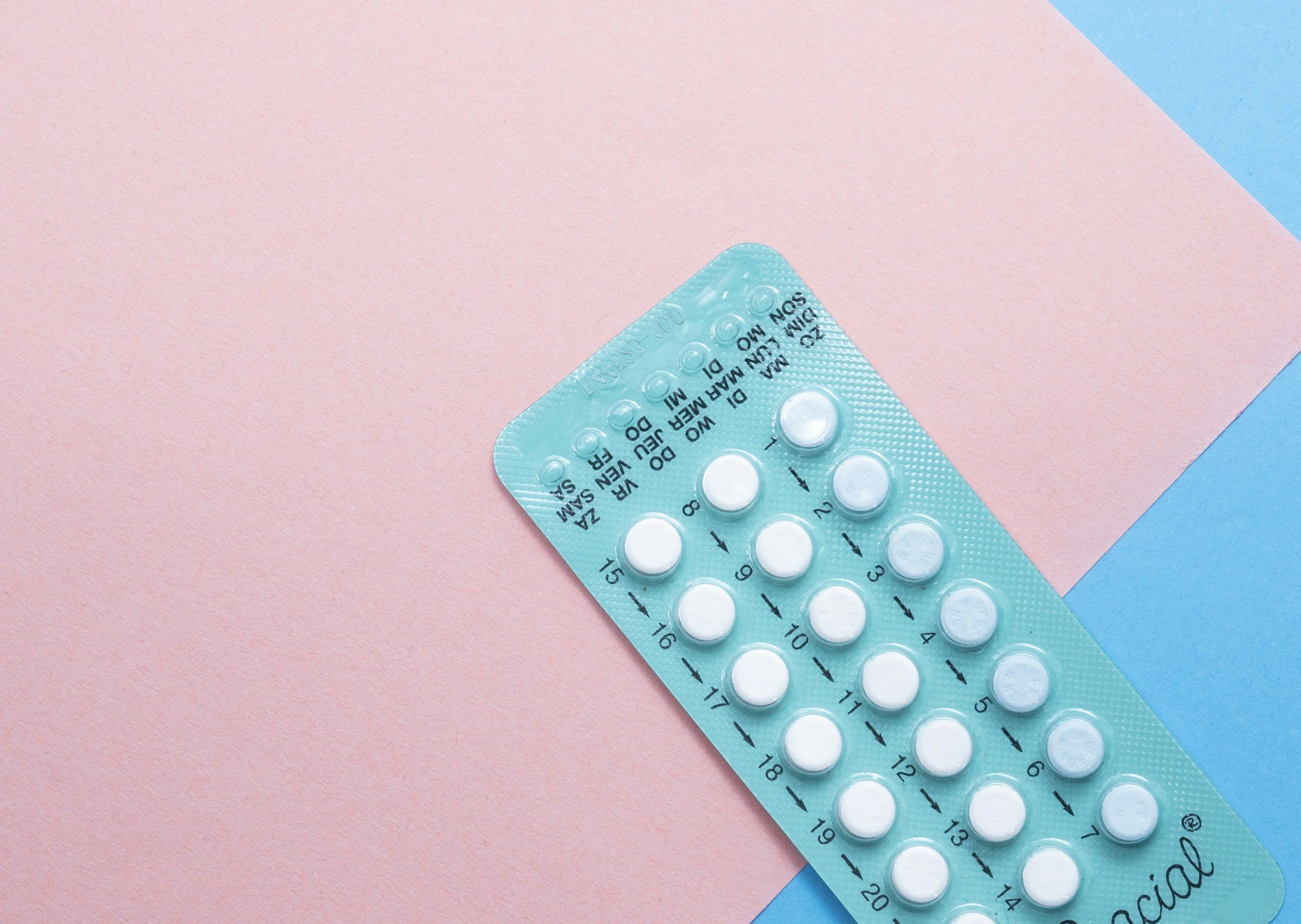
The Pill
About 93% effective
Combined hormonal contraceptive (estrogen and progesterone)
Taken daily
Mirvala 28-
Mirvala 28 is a combination estrogen and progesterone contraceptive pill that must be taken daily. We can offer a prescription for up to 12 months in our clinic. It is effective immediately if started on first day of your period - otherwise, use a backup method for 7 days.
Common side effects include chest tenderness, nausea, vomiting, headaches; risk of blood clots. It may reduce acne, cramping, and PMS symptoms. It can cause lighter and more regular periods.
Once discontinued, fertility returns within a few days to a few weeks.
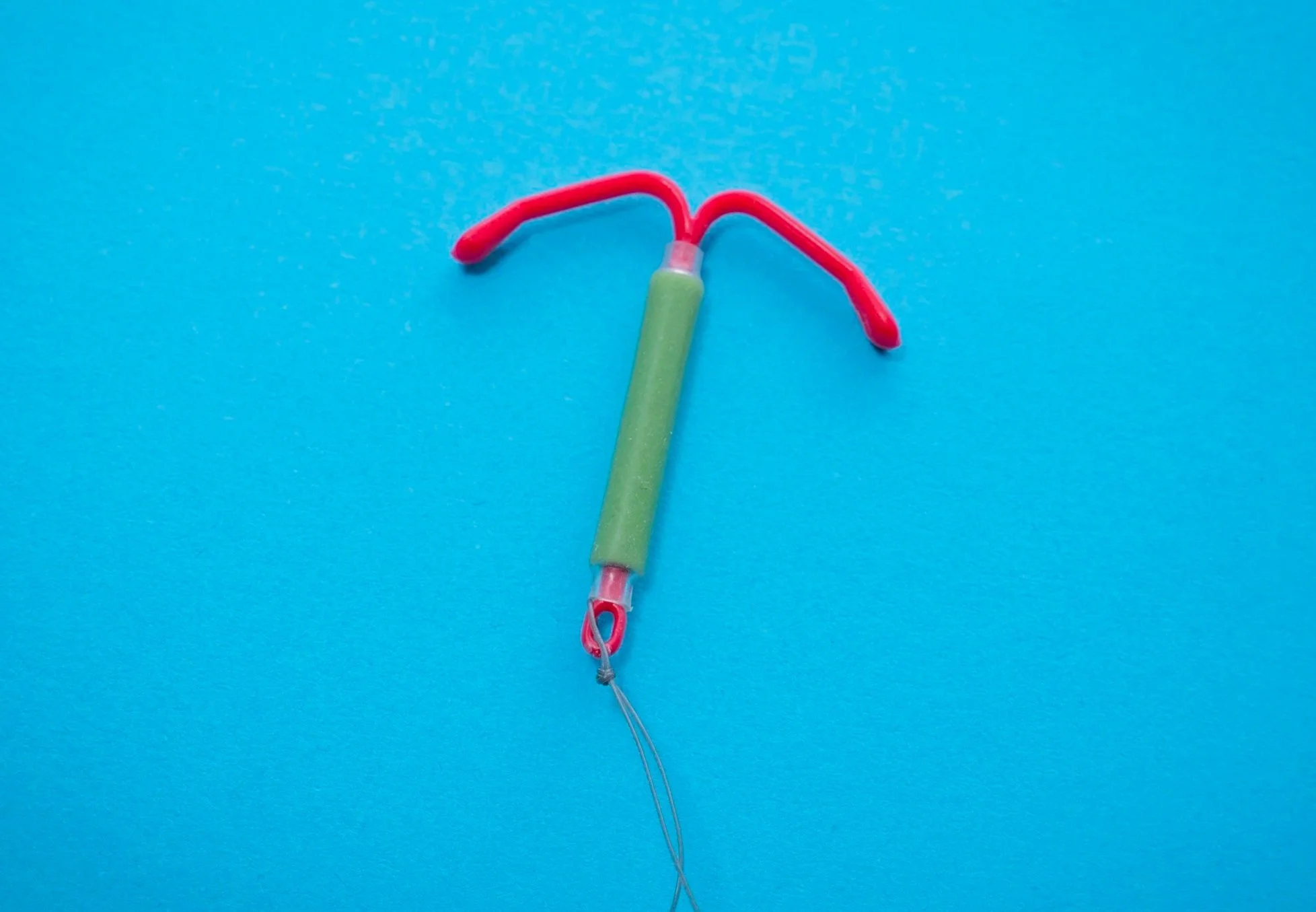
The Hormonal IUD
About 99% effective
Hormonal (progesterone)
Kyleena - lasts up to 5 years
Mirena - lasts up to 8 yearsKyleena covered by OHIP+ (for those 24 and under)
Mirena, Kyleena-
The hormonal IUD is a device that is inserted into the uterus and can be placed during a surgical abortion. It is effective immediately if started on first day of your period - otherwise, use a backup method for 7 days.
May cause irregular bleeding and spotting for the first 3 months. May reduce menstrual flow and pain. 16-44% of people with hormonal IUDs stop having periods. They also reduce endometrial cancer.
Common side effects include bloating, mood changes, reduced sex drive, acne, headache, and chest tenderness. However, hormonal side effects of IUDs tend to be less common and less severe than other hormonal contraceptives.
Risks include pain with insertion and removal of the device, infection, perforation, and expulsion.
Once discontinued, fertility returns within a few days to a few weeks.
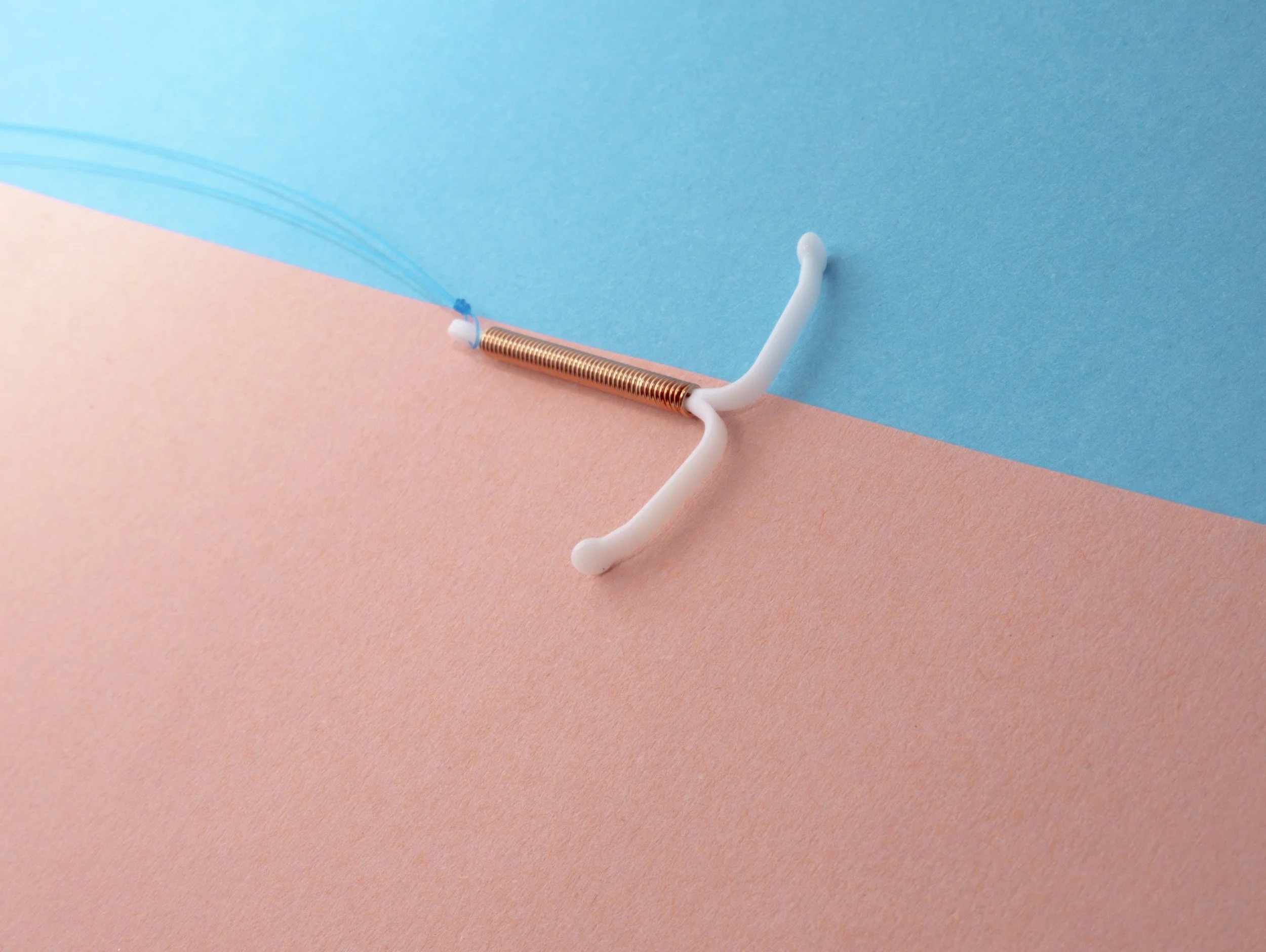
The Copper IUD (Non-Hormonal)
About 99% effective
Non-hormonal
Lasts up to 5 years
Mona Lisa -
The copper IUD is a device that is inserted into the uterus and can be placed during a surgical abortion. The copper IUD is effective immediately and can be used as emergency contraception (similarly to Plan B).
It may cause abnormal menstrual patterns first 1-3 months, increased menstrual loss, and heavier, longer, possibly crampier periods. It reduces endometrial cancer.
Risks include pain with insertion and removal of the device, infection, perforation, and expulsion.
Once discontinued, fertility returns immediately.
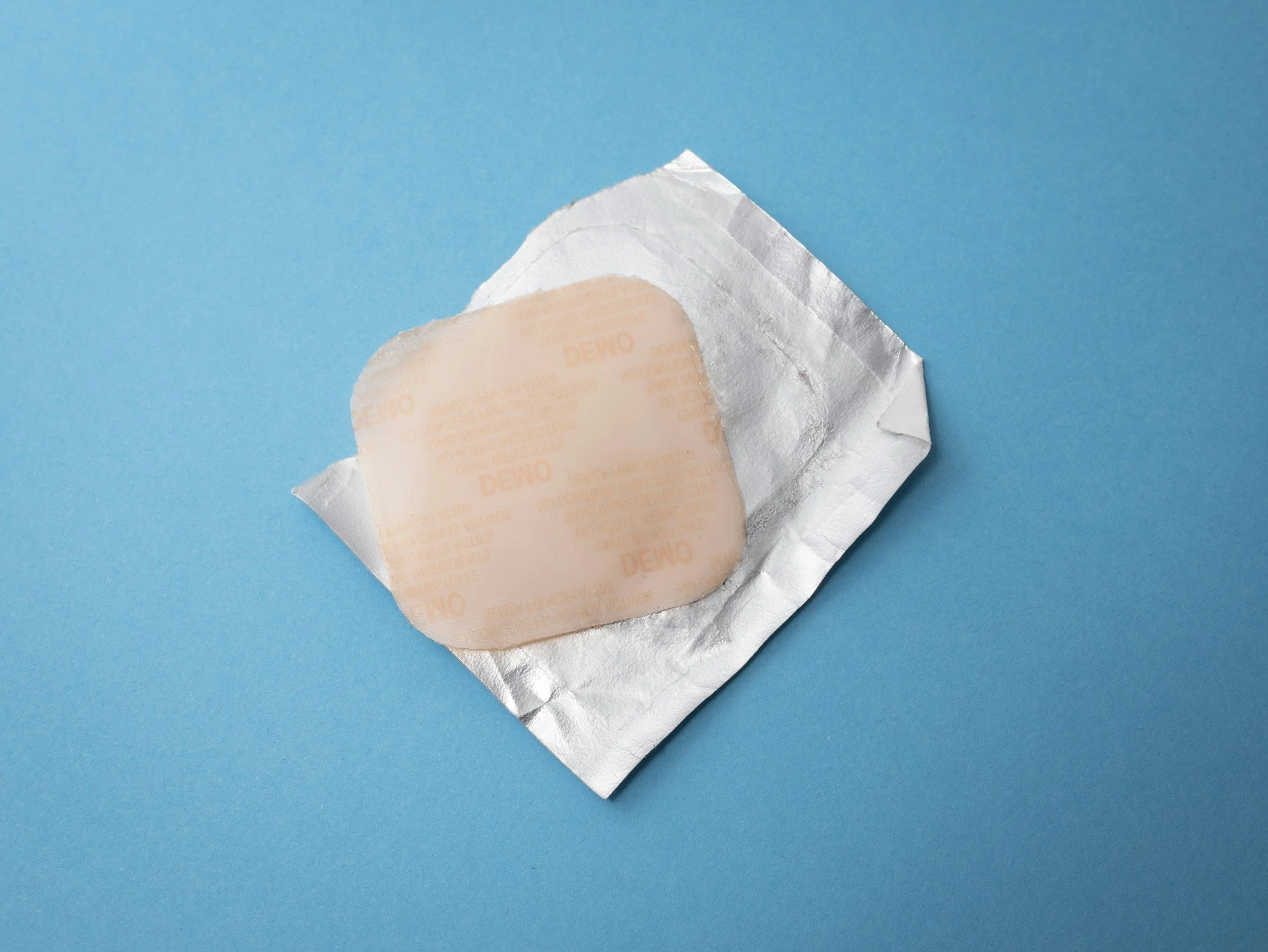
The Patch
About 93% effective
Combined hormonal contraception (estrogen and progesterone)
Replace patch weekly
Ortho Evra-
The patch is a combination estrogen and progesterone contraceptive. It is a bandaid-like patch that can be worn on the arm, upper back, low back, or stomach. It is worn for one week at a time. We can offer a prescription for up to 12 months in our clinic. It is advised to use a backup method for 7 days after beginning to use the patch.
Common side effects include chest tenderness, nausea, vomiting, headaches. There may be skin irritation caused by the adhesive. It can cause lighter and more regular periods. It may be less effective in people with a BMI over 30.
Once discontinued, fertility returns within a few days to a few weeks.
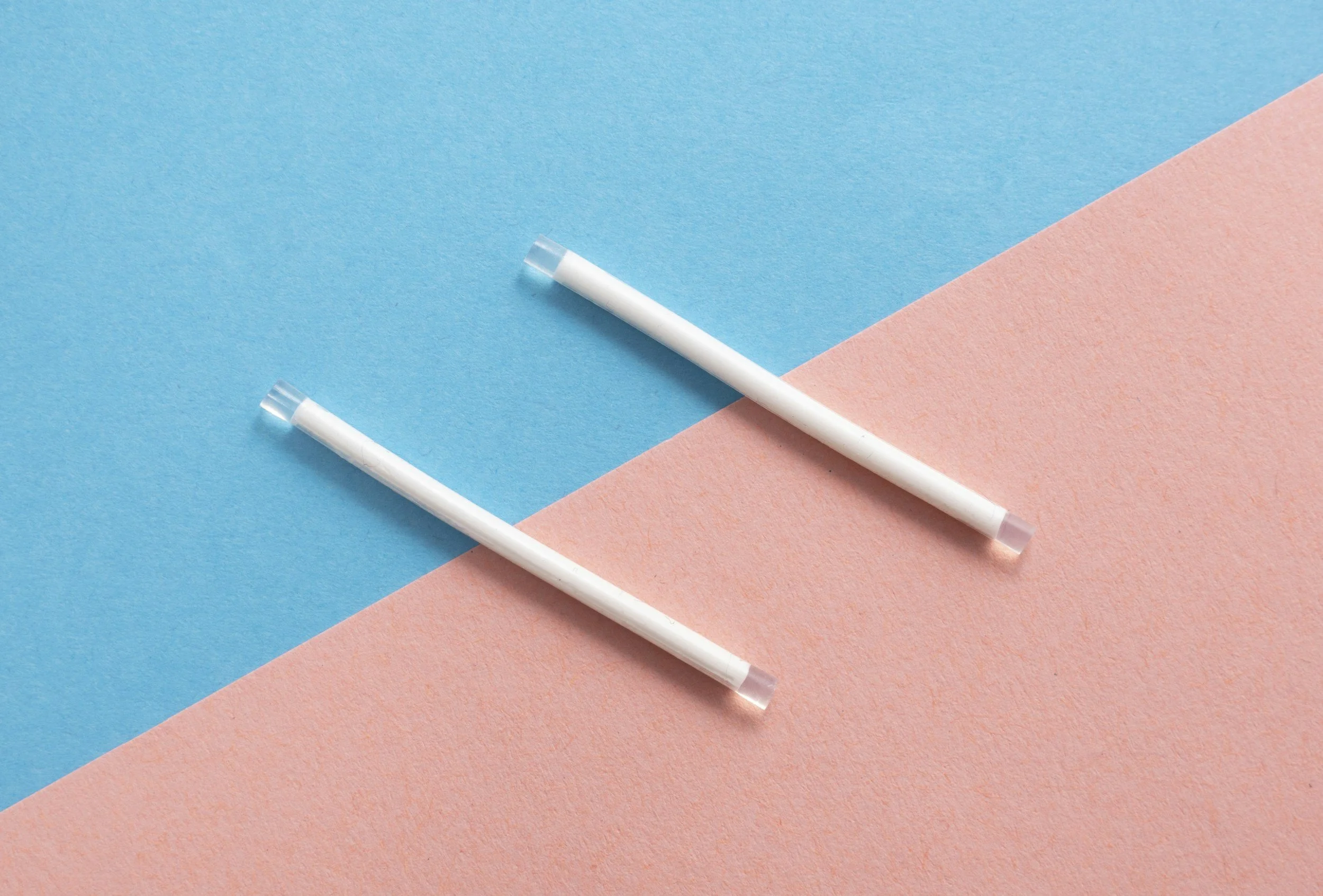
The Implant
About 99% effective
Hormonal (progesterone)
Lasts up to 5 years
Covered by OHIP+ (for those 24 and under)
Nexplanon-
The implant is a small rod that is inserted into the arm and uses progesterone to prevent pregnancy. It can be kept inserted for up to five years. It is immediately effective if inserted within the first 5 days of your period - otherwise, use a backup method for 7 days.
Common side effects include bloating, mood changes, reduced sex drive, chest tenderness, headache, and nausea. It can cause some spotting, and lighter, more regular periods. There can be some mild cramping pain with placement. There may be complications with insertion and removal including: pain, paresthesia (tingling/numbness), bleeding, hematoma, scarring or infection. Very rarely, there could be migration to vasculature. Surgical interventions may be necessary for removal.
Once discontinued, fertility returns within a few days to a few weeks.
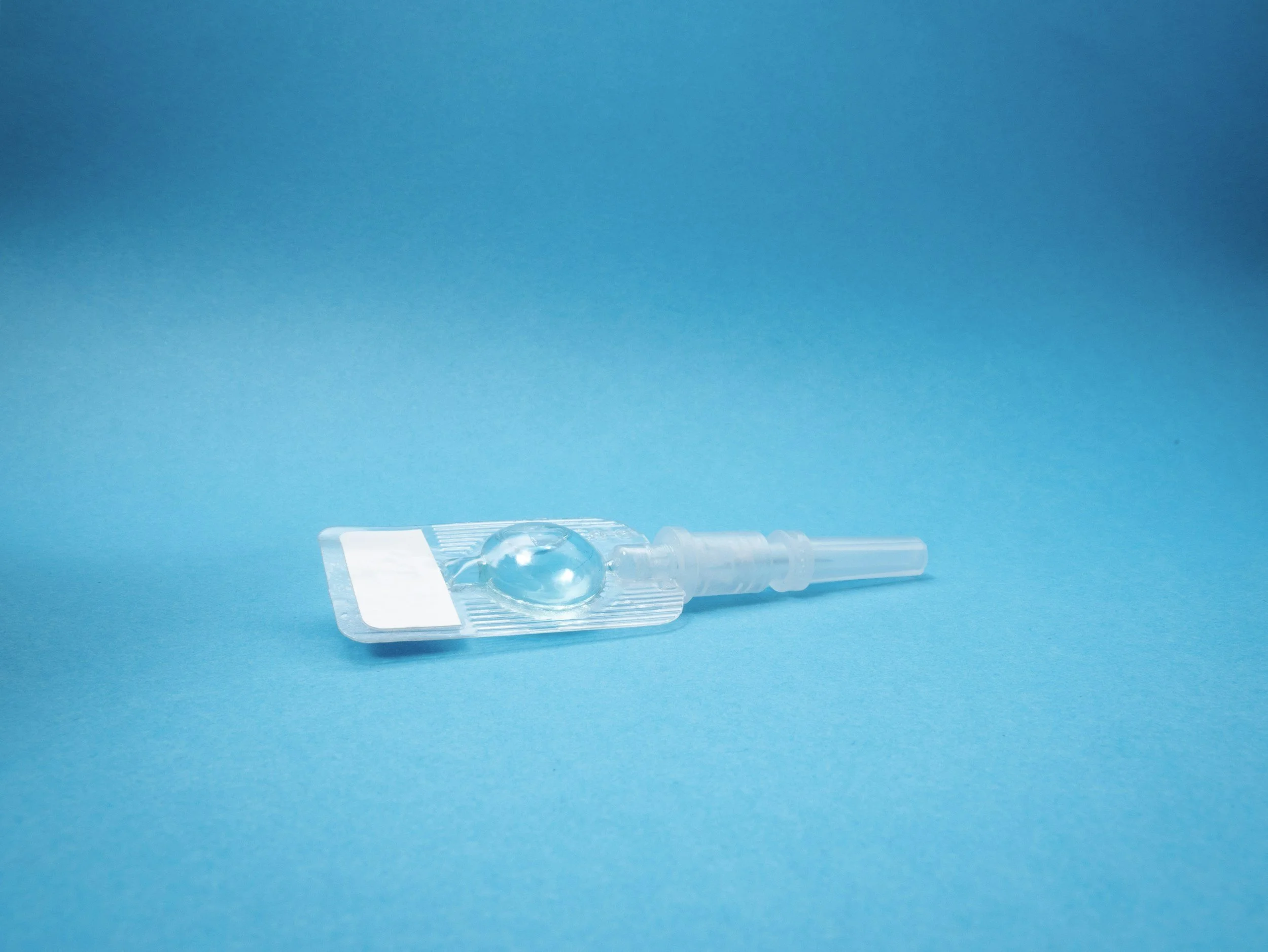
The Injection
About 96% effective
Hormonal (progesterone)
Must be injected every 3 months
Covered by OHIP+ (for those 24 and under)
Depo Provera-
The injection is administered into the stomach, thighs, arm, or bum and uses progesterone to prevent pregnancy. It must be reinjected on a strict schedule every 10-13 months. It is immediately effective if administered within the first 5 days of your period - otherwise, use a backup method for 7 days.
Common side effects include bloating, mood changes, reduced sex drive, weight gain, headache. It can cause some spotting, lighter periods, more irregular periods.
There is a risk of bone density loss and certain brain tumours (intracranial meningioma), especially with long-term use.
Once discontinued, fertility returns within 3 months to a year.
Available to receive information and external prescription/referral from CIHC
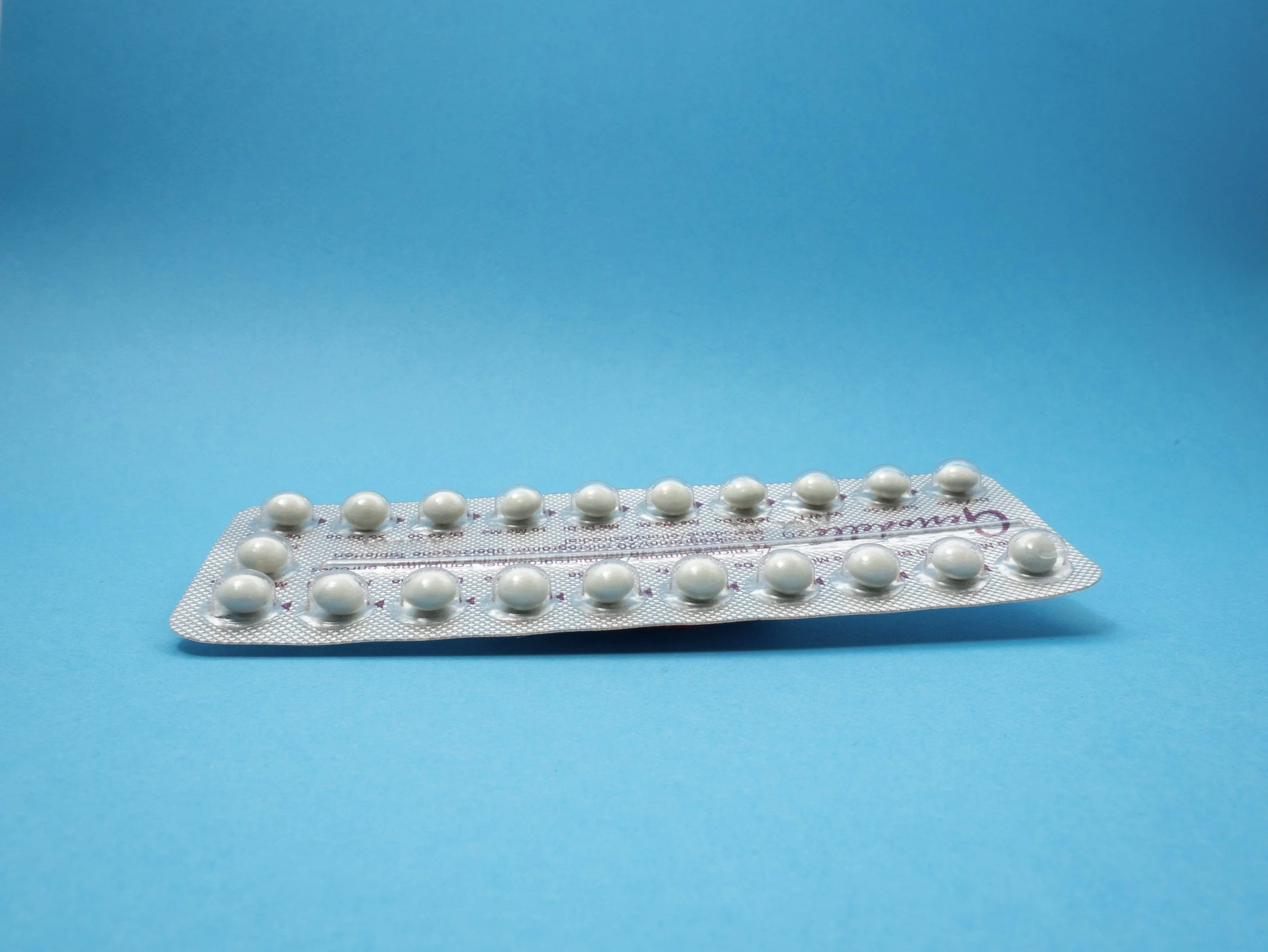
The Pill
About 93% effective
Either combined hormonal contraceptive (estrogen and progesterone) OR progesterone only
Taken daily
Any brand-
We can offer a prescription for your preferred birth control pill, or one recommended by our physicians.
There are two main types of birth control pills: combined hormonal contraceptive pills, or progesterone-only pills, often called the mini pill. Our team can help you determine which is right for you.
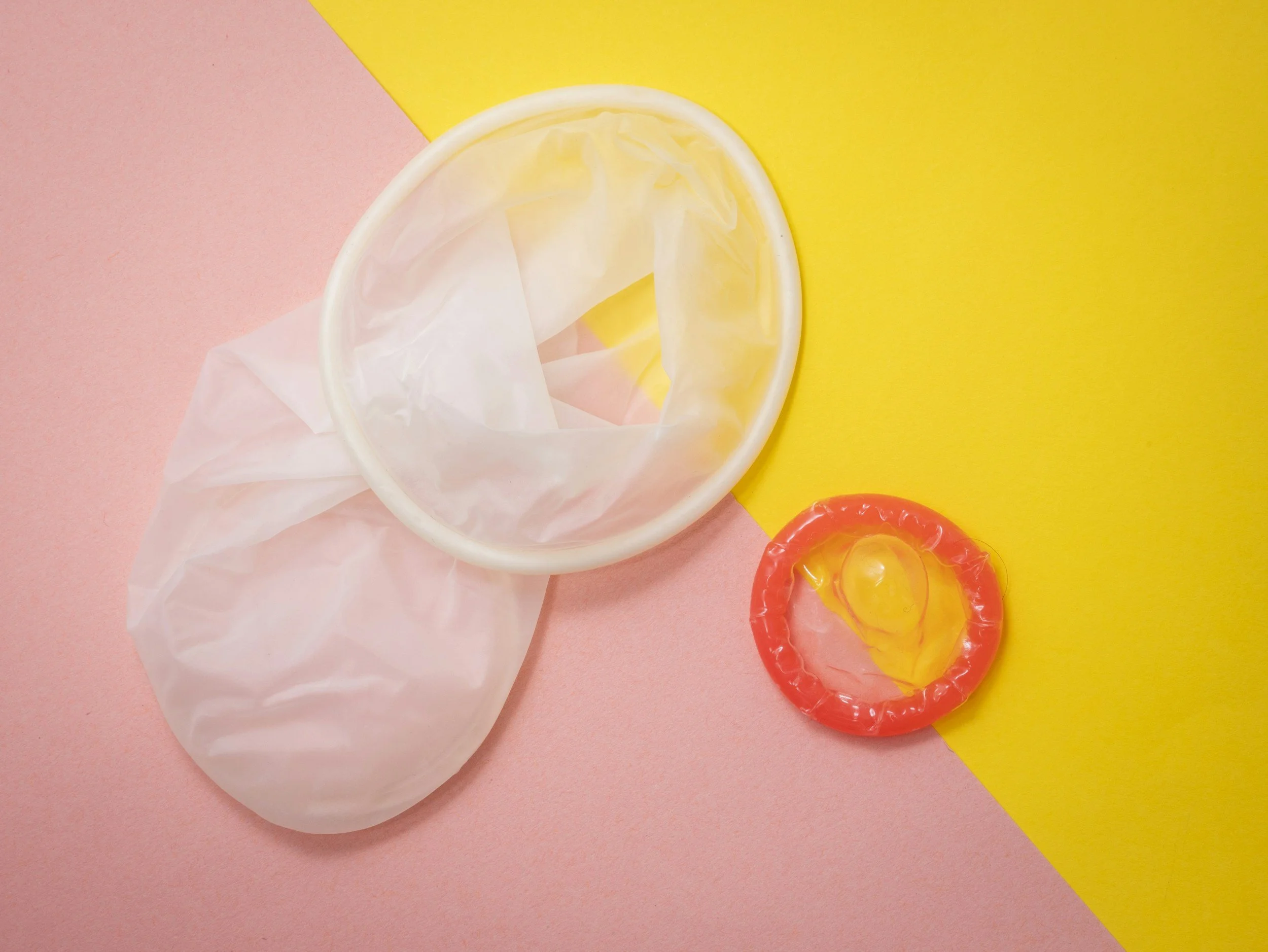
Condoms and Dental Dams
About 87% effective
Non-hormonal
One-time use
-
Condoms and dental dams come in a variety of sizes and materials. They are the only contraceptive that also protects against STIs. We have free condoms available in the waiting room of CIHC.
Some types of condoms available are latex condoms,, non-latex condoms, internal (‘female’) condoms.

Permanent Contraception
About 99% effective
Non-hormonal
Permanent, sometimes reversible with varied success
Tubal Ligation or Vasectomy-
We can offer referrals for a tubal ligation or information on vasectomy at CIHC.
Tubal ligation is a surgical procedure that is 99% effective at preventing pregnancy. The risks of a tubal ligation will be discussed with your healthcare team. Tubal ligation is effective immediately, but it is recommended not to have sex for a few weeks due to discomfort.
Some tubal ligations may be reversable, but success is not guaranteed and depends on many factors. Pregnancy success rates after a tubal ligation reversal range from 40%-80%.
Vasectomy is a simple surgical procedure that is over 99.99% effective. The risks and side effects will be reviewed with your medical team. Notably, it is a simpler procedure with less risk for complications compared to a tubal ligation.
Vasectomies are not immediately effective, so use a backup method until your doctor approves your semen analysis (this can take up to ~3 months). Refrain from all sexual activity for at least seven days after the procedure.
Vasectomy can be reversed, but success is not guaranteed, and depends on many factors. Pregnancy success rates range from 30% to over 90% after a vasectomy reversal.

Fertility Awareness Methods
-
FABM (Fertility Awareness Based Methods) involve tracking your cycle in order to avoid having unprotected sex during your most fertile days. There are multiple strategies commonly used for FABM, including tracking your cycle based on your period, tracking changes in your vaginal discharge, and tracking your basal body temperature. In typical use, FABM has a failure rate between 12%-24%.
About 76% effective
Non-hormonal
Requires regular monitoring
The Ring
About 93% effective
Combined Hormonal Contraceptive (estrogen and progesterone)
Replace ring monthly
NuvaRing-
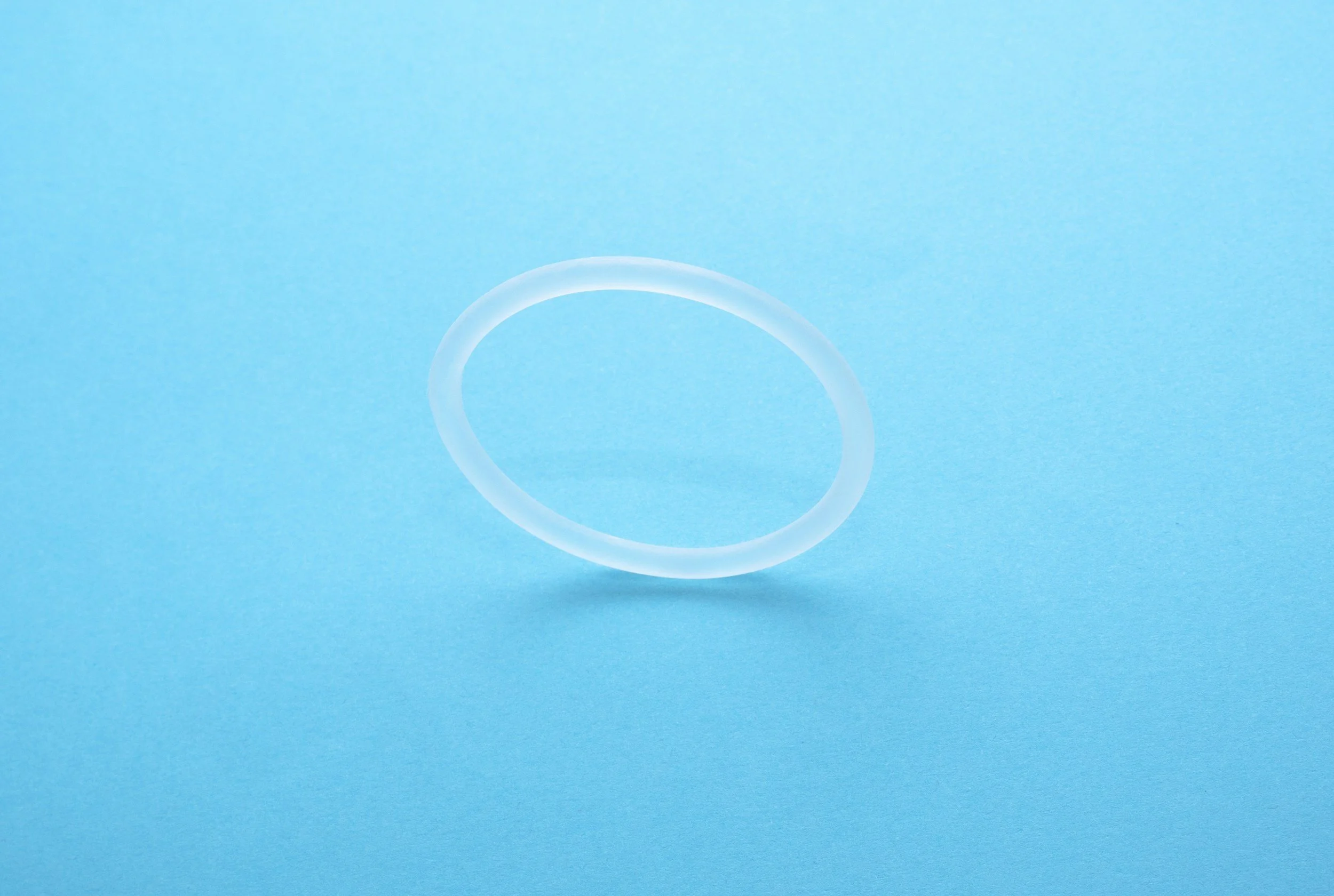
The NuvaRing is a combination estrogen and progesterone contraceptive. It is a thin plastic ring that is placed inside the vagina. It is worn for three weeks at a time, then removed for one week. The ring is effective immediately if started within the first 5 days of your period; if not, use a backup method for 7 days.
Common side effects include chest tenderness, nausea, vomiting, headaches. It may cause vaginal irritation and spotting. It can also cause lighter and more regular periods.
Once discontinued, fertility returns within a few days to a few weeks.
The Diaphragm
About 93% effective
Non-hormonal
Inserted each time you have sex
Caya-
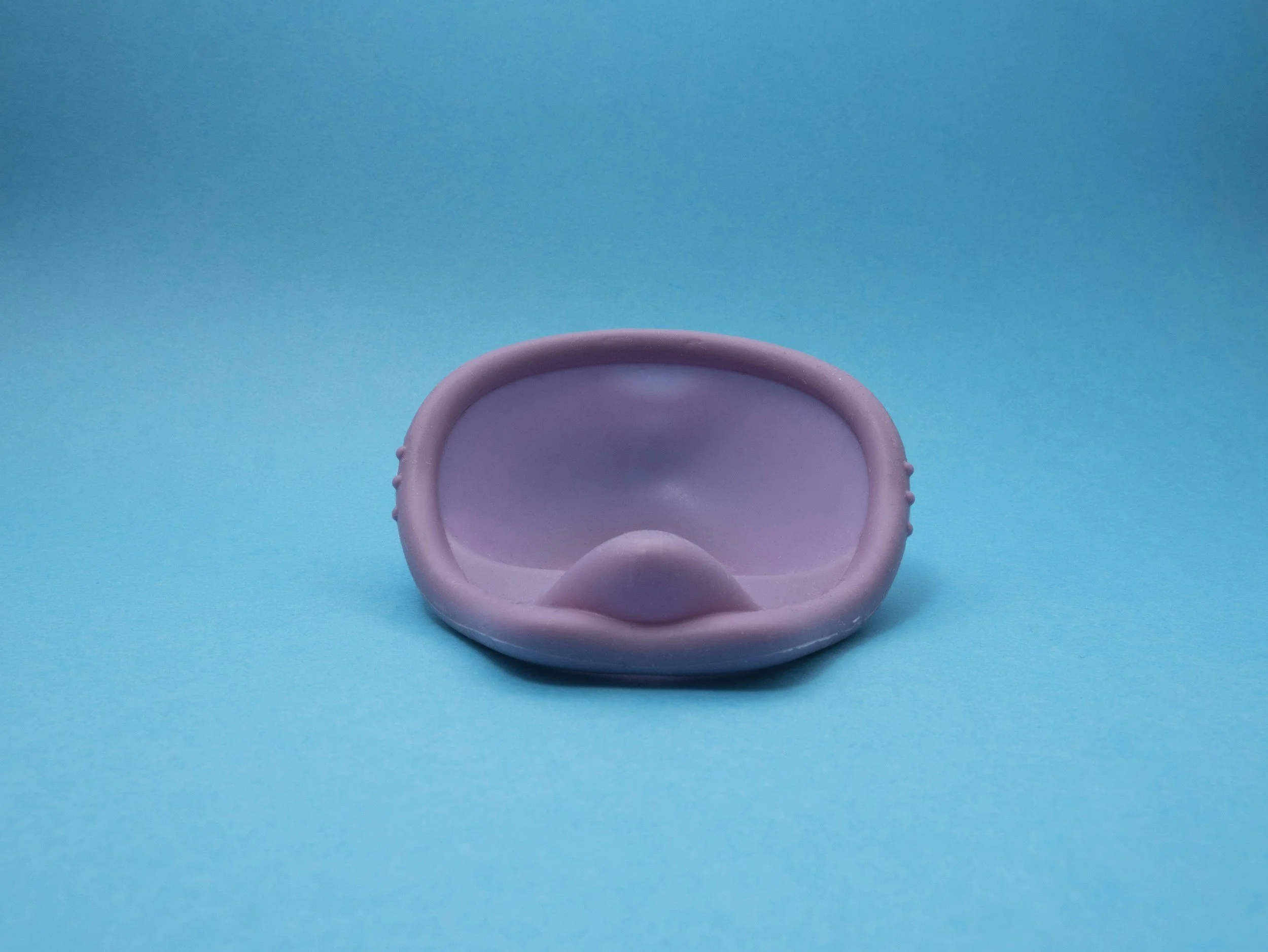
The diaphragm is a shallow, silicone disc that is filled with spermicide and inserted into the vagina. It can be inserted up to 2 hours before sex and must be left in for 6 hours after sex. It can not remain in the vagina for longer than 24 hours.
It is a non-hormonal option, so there are no side effects and fertility returns immediately after use.